Commercial Cleaning in Modern Businesses: Clean Workspaces, Healthier Teams, Better Impressions
Why Commercial Cleaning Matters for Every Business
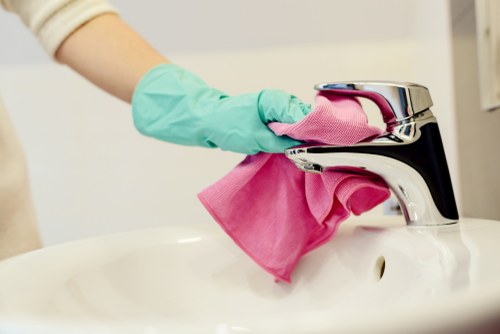
Commercial cleaning is more than a routine task that keeps a building looking tidy. It is an essential part of maintaining a productive, professional, and healthy workplace. Whether you operate a small office, a retail store, a healthcare facility, or a large corporate building, consistent commercial cleaning services help support employee well-being, visitor confidence, and long-term asset protection.
Today’s businesses face higher expectations than ever. Clients notice clean floors, fresh restrooms, sanitized high-touch surfaces, and organized common areas. Employees also expect a workplace that feels safe and well maintained. When a space is properly cleaned, it reflects positively on the brand and can even improve morale and focus. That is why commercial cleaning has become a core business investment rather than an optional expense.
A professional approach to commercial cleaning also helps reduce the spread of germs, dust, allergens, and contaminants. This matters in shared spaces where many people move through the building every day. Clean environments are often associated with fewer sick days, better customer experiences, and stronger workplace standards. In short, commercial cleaning in business environments is about appearance, hygiene, and efficiency working together.
What Commercial Cleaning Includes
Many people think commercial cleaning only means sweeping floors and emptying trash bins, but the service is usually much broader. A reliable cleaning program is tailored to the needs of the property, the number of occupants, and the type of business activity happening inside the building.
Typical commercial cleaning services may include dusting, vacuuming, mopping, restroom sanitation, window cleaning, breakroom cleaning, carpet care, waste removal, and disinfection of high-touch surfaces. In larger properties, it can also include lobby maintenance, elevator detailing, floor stripping and waxing, pressure washing, and post-construction cleanup.
Many businesses also request specialized cleaning for certain areas, such as conference rooms, medical exam rooms, inventory storage spaces, or food-preparation zones. The best commercial cleaning plans are flexible and can be adapted to your building’s layout, traffic patterns, and industry-specific requirements.
Common commercial cleaning tasks
- Daily trash and recycling removal
- Desk, countertop, and surface dusting
- Vacuuming carpets and rugs
- Mopping and floor sanitizing
- Restroom cleaning and restocking
- Kitchen and breakroom cleaning
- Touchpoint disinfection
- Glass and mirror cleaning
Benefits of Professional Commercial Cleaning

The advantages of investing in commercial cleaning go far beyond visual appeal. A professionally maintained workplace can support operations in practical ways that affect performance, reputation, and expenses. Businesses that take cleaning seriously often notice improvements in overall workplace quality.
One major benefit is employee health. Regular commercial cleaning services help remove dust, pollen, bacteria, and other irritants that can build up in shared environments. Cleaner air and sanitized surfaces can contribute to a more comfortable workspace and may reduce the likelihood of illness spreading through the office.
Another benefit is productivity. People tend to work better in environments that are organized and clean. Cluttered or dirty spaces can create distractions and lower concentration. When a business prioritizes commercial cleaning, it sends a clear message that the workplace is designed for performance and professionalism.
Key business advantages
- Improved workplace hygiene and sanitation
- More positive first impressions for clients and visitors
- Protection for carpets, flooring, furniture, and fixtures
- Better staff morale and job satisfaction
- Reduced risk of pest issues and odor buildup
- Consistent brand presentation across the facility
How Commercial Cleaning Supports Different Industries
Not every business has the same cleaning needs. Commercial cleaning for a medical office is very different from commercial cleaning for a warehouse or a hospitality venue. That is why customized service matters. A one-size-fits-all approach often leaves important areas neglected or over-serviced.
In office environments, cleaning focuses on desks, meeting rooms, reception areas, and shared spaces. In retail settings, the priority may be floors, fitting rooms, displays, and restrooms, because customers notice these areas quickly. For restaurants and food service operations, commercial cleaning services must be thorough and compliant with health standards.
Healthcare facilities require an even higher level of attention because sanitation is directly linked to patient safety. Industrial sites may need cleaning support for dust control, debris removal, and floor safety. Educational institutions often require regular disinfection, restroom care, and common-area maintenance. Across all sectors, commercial cleaning improves operational reliability and reinforces trust.
Industry-specific examples
- Offices: desks, lobbies, conference rooms, breakrooms
- Retail: glass doors, floors, shelving, restrooms
- Healthcare: sanitation, touchpoint cleaning, regulated zones
- Hospitality: guest-facing surfaces, corridors, common areas
- Industrial: debris control, floor care, safety-focused cleaning
What Makes a Strong Commercial Cleaning Program

A strong commercial cleaning program is consistent, measurable, and tailored to the building’s needs. It starts with a clear scope of work and continues with dependable execution. Businesses that get the best results usually treat cleaning as a scheduled service with defined priorities rather than a reactive task handled only when problems appear.
Frequency matters. Some areas need daily attention, while others may only require weekly, monthly, or seasonal care. High-traffic spaces such as entrances, restrooms, and kitchens often need more frequent cleaning. Meanwhile, floor polishing, deep carpet extraction, and interior window cleaning may be done on a less frequent basis.
Communication is another key element. When a provider understands your expectations, service standards, and building flow, the results are usually better. A quality commercial cleaning service should be able to adjust to seasonal changes, special events, employee schedules, and compliance needs. Flexibility ensures the cleaning plan continues to support the business as conditions evolve.
Elements of an effective cleaning plan
- Defined cleaning checklist by area
- Routine inspection and quality control
- Trained staff with proper procedures
- Safe cleaning products and equipment
- Scheduled deep-cleaning intervals
- Clear communication and service tracking
Commercial Cleaning and Workplace Health
Health and cleanliness are closely connected. In modern workplaces, commercial cleaning plays a major role in reducing contamination, supporting indoor air quality, and keeping shared spaces safe. This is especially important in areas where multiple employees, customers, or guests interact throughout the day.
High-touch surfaces such as door handles, elevator buttons, light switches, counters, and restroom fixtures can quickly collect germs. Regular disinfection of these points is one of the most important parts of commercial cleaning services. When done properly and consistently, it helps limit the spread of bacteria and viruses.
Cleaning also supports those with allergies or sensitivities. Dust accumulation, mold growth, and dirty ventilation areas can affect comfort and health. By keeping floors, surfaces, and common areas clean, businesses create an environment that feels fresher and more manageable for everyone. That is one reason commercial cleaning is often linked to healthier workplaces and better employee satisfaction.
Health-focused cleaning priorities
- Regular sanitizing of high-contact points
- Dust and allergen reduction
- Restroom hygiene and odor control
- Waste management and bin sanitation
- Kitchen and food-area cleanliness
- Appropriate cleaning chemistry for surfaces
The Role of Commercial Cleaning in Brand Image
First impressions form quickly. When a client or visitor enters a business, they immediately notice the surroundings. Floors, windows, restrooms, and reception areas communicate a lot about how the business is managed. Professional commercial cleaning helps ensure those impressions are positive.
A clean workplace sends a message of competence, order, and care. It shows that the company pays attention to details and respects the people who enter the space. In customer-facing industries, that message can influence whether someone chooses to stay, return, or recommend the business to others.
This matters for internal branding too. Employees are more likely to feel proud of a workplace that is clean and maintained. That pride can support culture, retention, and team morale. In this sense, commercial cleaning services contribute to both external perception and internal engagement, making them an important part of overall brand strategy.
Choosing the Right Commercial Cleaning Approach
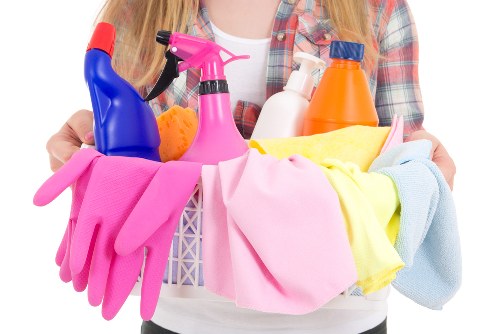
Selecting the right commercial cleaning approach depends on the size of the building, the type of business, the level of foot traffic, and the desired cleaning frequency. Some companies need daily janitorial support, while others may only need a few weekly visits plus periodic deep cleaning. The goal is to match the service level to actual needs.
It helps to assess your property before creating a service plan. Consider areas that require the most attention, surfaces that wear down quickly, and places where hygiene is especially important. A detailed evaluation makes it easier to set priorities and avoid wasted effort. The best commercial cleaning services align with real usage patterns rather than guesswork.
You should also consider whether your building has specialty surfaces or sensitive equipment. Certain materials require gentle products or specific methods. For example, natural stone, polished concrete, glass partitions, and electronic environments may need specialized care. An experienced commercial cleaning provider will understand how to clean effectively without damaging finishes or fixtures.
Questions to consider before scheduling service
- How many people use the facility each day?
- Which areas receive the most foot traffic?
- Are there hygiene-sensitive zones?
- What cleaning tasks need daily attention?
- Which areas need periodic deep cleaning?
- Are there surfaces requiring special treatment?
Deep Cleaning Versus Routine Commercial Cleaning
Routine commercial cleaning keeps a workplace consistently presentable and hygienic. It typically includes regular tasks like trash removal, vacuuming, restroom maintenance, and surface cleaning. Deep cleaning, on the other hand, targets buildup that may not be addressed in daily service. Both are important and work best together.
Deep cleaning may involve scrubbing grout, shampooing carpets, stripping and waxing floors, cleaning behind furniture, washing baseboards, and sanitizing hidden areas. These services are especially valuable during seasonal transitions, after renovation work, or when a building has experienced unusually heavy use.
Businesses that rely only on surface cleaning may miss buildup that affects appearance, odors, and long-term maintenance. A balanced approach to commercial cleaning services combines routine care with scheduled deep-cleaning support to preserve both health standards and property value.
Routine and deep-cleaning comparison
| Routine Cleaning | Deep Cleaning |
|---|---|
| Daily or frequent maintenance | Periodic intensive service |
| Visible surface care | Hidden buildup removal |
| Basic sanitation | Detailed restoration work |
| Supports daily use | Extends asset life |
Eco-Friendly Commercial Cleaning Options

Many organizations are now looking for environmentally responsible commercial cleaning solutions. Green cleaning practices can reduce the use of harsh chemicals while still delivering effective results. This is especially appealing to businesses that want safer indoor environments for employees, customers, and visitors.
Eco-friendly commercial cleaning services often use low-VOC products, microfiber tools, efficient dispensing systems, and reduced-water methods. These practices can help improve indoor air quality and lower environmental impact. In addition, they often align well with corporate sustainability goals and wellness initiatives.
Choosing greener cleaning methods does not mean sacrificing quality. In many cases, modern products and procedures are designed to be both effective and safer to use. For businesses that value sustainability, commercial cleaning can support a cleaner facility and a stronger environmental message at the same time.
Benefits of green cleaning
- Reduced chemical exposure
- Better indoor air quality
- Support for sustainability goals
- Safer environments for occupants
- Lower waste through efficient practices
Scheduling and Frequency in Commercial Cleaning
The best commercial cleaning schedules are built around how the space is used. A facility with constant traffic needs more frequent service than an office with limited daily occupancy. Cleaning schedules should also reflect business hours, public access, and the presence of sensitive areas.
Daily service is usually ideal for restrooms, entrances, and common spaces in busy buildings. Weekly service may be enough for some low-traffic areas, while monthly tasks may include detailed floor care or deep dust removal. Custom scheduling allows commercial cleaning services to work efficiently without disrupting operations.
Seasonal adjustments are often useful too. For example, winter can bring in more dirt, slush, and salt, while warmer months may increase dust, pollen, and foot traffic. Adjusting the cleaning plan throughout the year ensures commercial cleaning remains effective no matter the season.
Example cleaning frequencies
- Daily: restrooms, lobbies, trash, high-touch surfaces
- Weekly: dusting, carpet maintenance, kitchen areas
- Monthly: detail cleaning, vents, trim, upholstery
- Quarterly: floor restoration, deep sanitation, inspections
Why Businesses Should Invest in Professional Help
Some businesses try to handle cleaning internally, but this often leads to inconsistent results. Employees hired for other roles may not have the time, tools, or training to manage detailed cleaning tasks effectively. Professional commercial cleaning services bring specialized knowledge, dependable processes, and better consistency.
Professional cleaners also understand how to work efficiently in active environments. They know how to clean around business operations, protect sensitive materials, and maintain standards without causing disruption. In many cases, outsourcing commercial cleaning services is more cost-effective than handling everything in-house because it reduces hidden inefficiencies and maintenance issues.
For businesses focused on growth, professional cleaning creates more room to focus on core operations. It helps leadership avoid the burden of managing janitorial details and gives staff a cleaner, more organized place to work. That is why commercial cleaning remains a smart operational decision for many organizations.
Reasons to outsource cleaning
- Access to trained specialists
- Consistent service quality
- Time savings for staff and management
- Better equipment and supplies
- Scalable service as the business grows
How to Get More Value from Commercial Cleaning
To get the most from commercial cleaning, businesses should treat it as part of facility management rather than a background task. Clear expectations, regular communication, and periodic review of service quality can make a major difference. When cleaning is aligned with business priorities, results improve noticeably.
It also helps to maintain good habits between professional cleanings. Simple practices such as encouraging tidy desks, promptly reporting spills, and reducing clutter can support the work of the cleaning team. These habits help commercial cleaning services perform more efficiently and keep standards higher throughout the week.
Businesses should also track changes in building use. If occupancy increases, if a new department is added, or if a remodel changes traffic patterns, the cleaning plan may need to evolve. The most effective commercial cleaning strategies are adaptable, proactive, and built around real-world conditions.
Practical ways to improve service results
- Review the scope of work regularly
- Share building changes promptly
- Maintain clear cleaning priorities
- Encourage employee organization
- Schedule seasonal deep cleaning
- Ask for periodic quality checks
Conclusion: Clean Spaces Support Stronger Businesses
Commercial cleaning is one of the most practical ways to protect a workplace, support health, and strengthen a company’s image. Clean buildings are easier to navigate, more welcoming to visitors, and more pleasant for employees. They also help preserve flooring, furniture, fixtures, and other assets that represent a significant investment.
Whether your business needs routine upkeep, specialized sanitation, or periodic deep cleaning, the right commercial cleaning services can make a noticeable difference. From offices and retail spaces to healthcare, hospitality, and industrial environments, every organization benefits from a cleaner, safer, and more organized workplace.
If you want to improve your facility standards, enhance your brand image, and create a healthier environment for everyone who enters your building, contact us today to explore the right commercial cleaning approach for your business. Book your service now and make cleanliness a strategic advantage.