Communal Area Cleaning for Safer, Healthier, and More Welcoming Shared Spaces
Communal area cleaning plays a vital role in keeping shared environments safe, presentable, and comfortable for everyone who uses them. Whether in apartment blocks, housing estates, office buildings, student accommodation, or mixed-use properties, well-maintained common areas create a positive first impression and support better hygiene. In busy shared spaces, dirt builds up quickly, high-touch surfaces collect germs, and neglected corners can make a property feel uncared for. That is why professional communal area cleaning is more than a cosmetic service—it is a practical investment in cleanliness, safety, and property value.
Modern communal area cleaning covers a wide range of tasks, from sweeping entrance halls and vacuuming stairwells to disinfecting handrails and refreshing lifts. These areas are used by many people every day, which means regular attention is essential. A consistent cleaning schedule helps reduce allergens, removes visible mess, and keeps shared spaces pleasant for residents, visitors, staff, and clients. If you want a building to feel maintained and respected, clean communal areas are one of the best places to start.
In today’s property market, expectations are higher than ever. Occupants notice when shared corridors, lobbies, and staircases are spotless—and they also notice when they are not. With the right cleaning routine, communal areas can stay fresh throughout the week, even in high-traffic buildings. Effective communal area cleaning supports hygiene standards, improves day-to-day experience, and helps property managers avoid complaints and costly issues later on.
What Communal Area Cleaning Includes
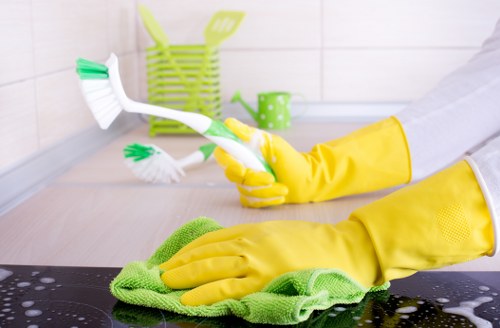
Communal area cleaning refers to the maintenance of spaces that multiple people share. These can include entryways, hallways, staircases, lifts, reception areas, laundry rooms, bin stores, and shared kitchens. In residential properties, communal cleaning often focuses on keeping access routes tidy and free from dust, litter, and spills. In commercial buildings, it may include waiting areas, corridors, break rooms, and restroom-adjacent spaces.
The exact service depends on the building, the number of occupants, and the level of foot traffic. A small apartment block may need weekly cleaning, while a large office or high-rise may require daily attention. Common tasks in communal area cleaning usually involve vacuuming, mopping, dusting, wiping surfaces, removing rubbish, sanitising touchpoints, and checking for damage or maintenance issues. A good provider adapts the service to the property rather than forcing a one-size-fits-all approach.
At its best, communal area cleaning is about consistency. Residents and visitors should feel that every shared area is cared for in the same way, every time. That consistency reduces complaints, supports health and safety, and keeps the property looking orderly. Clean shared spaces are not just attractive—they are also easier to manage over time.
Why Communal Area Cleaning Matters
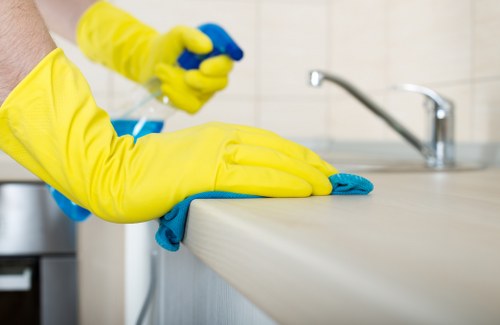
Shared spaces see heavy use, so they are naturally exposed to more dirt, germs, and wear than private rooms. Foot traffic brings in mud, dust, moisture, and debris. Handrails, lift buttons, door handles, and intercoms are touched constantly. Without regular communal area cleaning, these spaces can quickly become unhygienic and unpleasant.
There are also practical safety reasons to prioritise communal area cleaning. Spills on tiled floors, litter in stairwells, and dust on surfaces can all create hazards. Poorly maintained access areas may also cause residents or employees to feel less safe, especially if lighting is dim or visibility is reduced by clutter. Regular cleaning helps keep pathways clear and reduces the risk of accidents.
Another major reason is perception. A clean lobby or hallway tells people that the property is managed well. For landlords, letting agents, and facilities teams, this matters because the condition of communal spaces often shapes how people view the entire building. Professional communal area cleaning can improve satisfaction, support retention, and contribute to a stronger reputation for the property.
Key Benefits of Regular Communal Area Cleaning
There are many advantages to keeping communal areas consistently clean. Some are immediately visible, while others have a longer-term impact on hygiene, maintenance, and property performance. Below are some of the biggest benefits of routine communal area cleaning:
- Improved hygiene: reduces the spread of germs on frequently touched surfaces.
- Better appearance: creates a tidy and welcoming environment for residents and visitors.
- Reduced complaints: helps avoid disputes between tenants, landlords, and management teams.
- Longer-lasting surfaces: prevents dirt buildup that can damage floors, fixtures, and fittings.
- Safer shared spaces: lowers slip, trip, and fire risks by keeping areas clear and clean.
- Stronger property value: a well-kept building tends to make a better impression overall.
Another benefit is morale. People naturally feel more comfortable in a clean environment. In apartment buildings, that means residents are more likely to respect shared spaces if those spaces are already well maintained. In workplaces, clean communal areas help create a more professional atmosphere and contribute to employee wellbeing. Regular communal area cleaning sets a standard that people usually follow.
There is also a maintenance advantage. Dust, grime, and moisture can wear down flooring, fixtures, and paintwork over time. By removing these contaminants early, communal area cleaning can extend the life of materials and reduce the need for expensive repairs or replacements. For property owners, that is a smart way to protect an asset while keeping it attractive and functional.
Common Areas That Need Attention
Every building is different, but most shared properties contain several spaces that require regular care. Understanding where cleaning is needed helps ensure nothing is overlooked. Typical areas include:
- Entrances and lobbies
- Hallways and corridors
- Staircases and landings
- Lifts and elevator cabins
- Shared kitchens and break rooms
- Bin stores and waste disposal areas
- Reception zones
- Internal windows and glass panels
- Handrails, switches, and door handles
These areas often carry the highest cleaning demand because they are used repeatedly throughout the day. In residential blocks, stairwell cleaning and hallway maintenance are especially important because residents pass through these areas multiple times. In office settings, communal area cleaning should also focus on kitchen counters, seating areas, and other spaces where staff gather and eat.
High-touch points deserve special attention because they are handled by many people. Cleaning communal areas is not only about what can be seen from a distance; it also involves sanitising the surfaces people touch most often. When these touchpoints are cleaned properly, the whole environment feels fresher, safer, and more controlled.
High-Touch Surfaces That Need Frequent Cleaning
Some surfaces should be cleaned more often than others due to their constant use. These include lift buttons, handrails, door handles, buzzers, access panels, and communal tables. On busy days, these surfaces may need disinfection several times. A regular plan for communal area cleaning should always include these items.
How a Professional Cleaning Routine Works
A professional communal area cleaning routine usually begins with assessing the property and understanding how it is used. A small block of flats may only need a simple schedule, while a larger building may need a more detailed plan covering multiple floors and shared facilities. The goal is to create a cleaning routine that matches the building’s traffic levels and layout.
Most routines include daily, weekly, and periodic tasks. Daily tasks might involve sweeping, vacuuming, wiping common touchpoints, and removing rubbish. Weekly tasks could include deeper floor care, polishing surfaces, and cleaning internal glass. Periodic tasks may include more intensive work such as deep sanitisation, spot treatment, and hard-to-reach dust removal. This layered approach keeps communal area cleaning effective without over- or under-servicing the building.
A dependable routine also includes checks for issues that go beyond cleaning. For example, cleaners may notice broken lights, leaks, graffiti, damage to fixtures, or overflowing bins. Reporting these problems quickly helps building managers take action before the issue worsens. Communal area cleaning therefore supports both cleanliness and proactive property care.
Residential Communal Area Cleaning
In residential settings, communal area cleaning is especially important because residents rely on shared entrances, staircases, and corridors every day. These spaces are the first thing people see when they come home, so their condition has a direct impact on comfort and satisfaction. A clean residential building feels more organised and more secure.
Common residential tasks include vacuuming carpets, mopping hard floors, removing cobwebs, polishing handrails, cleaning skirting boards, and keeping entrance mats free from debris. Bin areas and external access points may also need attention because they can quickly become messy or smelly if ignored. Residential communal area cleaning should be reliable and tailored to the property’s routines.
For landlords and managing agents, residential cleaning can also help reduce friction between occupants. If shared areas are visibly maintained, residents are less likely to complain about neglect or inconsistency. In turn, this can support better relationships and make the building easier to manage. A clean communal space is a simple but powerful way to improve everyday living conditions.
Typical Residential Cleaning Tasks
- Sweeping and vacuuming entrance and hallway floors
- Mopping stair treads and landings
- Dusting light switches, frames, and railings
- Cleaning lift interiors and buttons
- Emptying communal bins and litter points
- Spot-cleaning walls, doors, and glass
Communal Area Cleaning for Offices and Commercial Buildings
Commercial environments present different demands. In offices, business centres, and mixed-use developments, communal area cleaning helps maintain a professional image and supports staff wellbeing. Clean reception areas, meeting room corridors, kitchenettes, and shared wash zones all contribute to a more polished workplace experience.
Commercial cleaning schedules often need to be more flexible because use patterns can vary throughout the day. Morning rushes, lunch breaks, and end-of-day traffic all create different cleaning needs. A strong communal area cleaning plan should account for these peaks so that high-traffic areas stay clean when they matter most. This may involve early-morning service, evening touch-ups, or multiple visits during busy periods.
In commercial buildings, presentation matters a great deal. Clients, customers, and staff all notice whether the environment is tidy. Shared areas that are consistently clean can reinforce trust, reduce distractions, and help a business appear well run. Professional communal area cleaning supports both hygiene and brand image in one practical service.
What Makes a Good Communal Area Cleaning Plan
A strong cleaning plan is clear, realistic, and easy to follow. It should define what gets cleaned, how often, and to what standard. This is especially important in larger properties where responsibilities may be divided across multiple teams or contractors. A well-designed plan removes confusion and ensures that nothing is missed.
When planning communal area cleaning, consider the following factors:
- Foot traffic: more people usually means more frequent cleaning is needed.
- Building type: residential, commercial, and mixed-use properties have different priorities.
- Surface materials: carpets, stone, vinyl, and painted walls all require different care.
- Seasonal changes: rain, mud, snow, and pollen can affect cleaning needs.
- Special risks: allergens, waste areas, and shared kitchens may need extra attention.
A good plan should also allow for flexibility. If there is a sudden spill, building event, or weather-related mess, the team should be able to adjust quickly. That responsiveness is one of the hallmarks of reliable communal area cleaning. Flexibility and consistency work best when they are built into the schedule from the start.
Eco-Friendly Approaches to Communal Area Cleaning
Many property managers now prefer cleaning methods that reduce waste and support environmental responsibility. Eco-friendly communal area cleaning can include the use of low-toxicity products, microfiber cloths, water-efficient methods, and concentrated solutions that reduce packaging. These practices help minimise environmental impact without lowering cleaning quality.
Sustainable cleaning is especially appealing in buildings with families, pets, or sensitive occupants. Using appropriate products and targeted application methods can reduce strong chemical odours and create a more comfortable environment. Green communal area cleaning also helps buildings align with modern sustainability expectations, which can be valuable in both residential and commercial markets.
There is a practical benefit too. Efficient cleaning methods can reduce waste, improve workflow, and support better long-term maintenance. When teams use the right tools and products for the job, they often achieve better results with less effort. Eco-conscious communal area cleaning is therefore a smart choice for both performance and responsibility.
Examples of Sustainable Cleaning Practices
- Using refillable product systems where possible
- Choosing biodegradable or low-VOC cleaners
- Reducing excess water use during mopping
- Separating recyclables from general waste
- Employing reusable cloths and mop heads
Health, Safety, and Hygiene in Shared Spaces
Health and safety are central to effective communal area cleaning. Shared buildings can quickly become environments where germs and contaminants spread if routine cleaning is neglected. That is particularly true in winter months, during flu season, or in buildings with lots of visitors. Keeping common areas hygienic helps reduce that risk.
Cleaning teams should pay close attention to touchpoints and sanitation procedures. They should also use safe working practices, especially when dealing with wet floors, cleaning chemicals, or awkward access areas like stairwells and high ledges. Proper signage, such as wet floor warnings, is important during cleaning activities to protect users of the building.
From a hygiene standpoint, communal area cleaning supports a healthier environment by reducing dust, allergens, and surface contamination. This can be particularly helpful for people with respiratory sensitivities or allergies. When shared spaces are maintained properly, the building becomes a more comfortable place to live or work.
Key Safety Considerations
- Use visible wet floor signs when mopping
- Keep exits, fire routes, and corridors clear
- Store cleaning equipment securely when not in use
- Apply the correct products to the correct surfaces
- Report damage or hazards promptly
Choosing the Right Service for Communal Area Cleaning
Selecting a cleaning provider is an important decision because shared areas require reliability and attention to detail. Not every service is the same, and the best choice will depend on your building’s needs. Look for a team that understands the demands of communal area cleaning and can offer a schedule that fits your property.
Important qualities include consistency, clear communication, flexibility, and proven experience with similar buildings. It is also useful to choose a provider that can adapt services as the property changes. For example, a building with new tenants, higher occupancy, or a changed layout may need a revised cleaning plan. Trusted communal area cleaning should evolve with the space it serves.
Good service is often reflected in the details. Clean corners, polished handles, fresh-smelling rooms, and tidy waste areas show that work has been done properly. If you want communal spaces to stay inviting and well managed, choose a service built around accountability, routine, and care. Book your service now if you want cleaner shared spaces that make the right impression every day.
How Often Should Communal Areas Be Cleaned?
The answer depends on usage, but most properties benefit from a structured cleaning schedule rather than occasional attention. Daily cleaning is often best for high-traffic spaces like apartment entrances, lifts, reception areas, and office corridors. Weekly cleaning may be enough for lower-use buildings, though touchpoints and bin areas may still need more frequent care.
Seasonal conditions also affect frequency. Wet weather can increase dirt and moisture indoors, while summer may bring more dust and debris. Properties near construction, schools, or transport hubs may need extra cleaning because of surrounding activity. A reliable communal area cleaning plan should reflect these changing conditions rather than staying fixed all year.
Ultimately, the right frequency is the one that keeps the building clean before problems appear. If you notice recurring complaints, visible dirt, or unpleasant odours, it may be time to increase service levels. Regular communal area cleaning prevents issues from building up and helps maintain a consistently high standard.
Final Thoughts on Communal Area Cleaning
Communal area cleaning is essential for keeping shared buildings safe, tidy, and welcoming. It improves hygiene, supports safety, protects surfaces, and contributes to a better overall experience for everyone using the property. Whether you manage residential blocks, office buildings, or mixed-use spaces, regular attention to shared areas makes a visible difference.
With the right cleaning schedule, proper attention to high-touch points, and a service tailored to the property, communal spaces can stay presentable and comfortable throughout the year. The result is a cleaner environment, fewer complaints, and a stronger impression on residents, employees, and visitors alike. Communal area cleaning should never be treated as an afterthought—it is a core part of good property care.
If you are ready to improve the look and feel of your shared spaces, now is the time to act. Contact us today to discuss a cleaning plan that suits your building, or book your service now to keep your communal areas in excellent condition.