Mattress Cleaning: How to Keep Your Bed Fresh, Healthy, and Comfortable
Mattress cleaning is one of the most overlooked parts of home care, yet it has a major impact on comfort, hygiene, sleep quality, and even indoor air quality. A mattress can quietly collect dust, sweat, dead skin cells, odors, allergens, and stains over time. If you have ever wondered why your bed does not feel as fresh as it once did, the answer is often simple: it needs proper mattress cleaning.
For many households, mattress cleaning is not just about appearance. It is also about creating a healthier sleeping environment. A clean mattress can reduce allergy triggers, improve the lifespan of your bedding, and make your bedroom feel noticeably more inviting. Whether you are dealing with a newer bed or one that has been used for years, regular mattress cleaning helps preserve both comfort and cleanliness.
Why does this matter so much? Because you spend roughly a third of your life in bed. That means your mattress should support good sleep, not quietly undermine it. By learning the best mattress cleaning methods and maintenance habits, you can keep your bed fresher for longer and avoid problems that build up slowly over time.
Why Mattress Cleaning Matters for Every Home
Mattress cleaning is essential because mattresses absorb daily use in ways that are easy to ignore. Sweat, body oils, skin flakes, spills, pet hair, and dust all settle into the fibers and layers of the bed. Over time, this buildup can create odors, attract dust mites, and make the sleep surface less comfortable. Even if your mattress looks clean on the outside, its interior may need attention.
Another reason mattress cleaning matters is allergy control. Dust mites thrive in warm, fabric-based environments, and mattresses are one of their favorite places to live. Their waste particles can trigger sneezing, itchy eyes, congestion, and coughing for sensitive sleepers. Regular mattress cleaning helps reduce these allergens and creates a more breathable sleeping space.
There is also a practical benefit: a well-maintained mattress lasts longer. Dirt and moisture can wear down materials, cause premature sagging in certain areas, and contribute to lingering stains or odors that become harder to remove later. With consistent mattress cleaning, you protect your investment and keep your bed feeling better for longer.
Common Problems Mattress Cleaning Can Solve
Mattress cleaning can address a wide range of common issues. Some problems are easy to see, while others are hidden deep inside the mattress. The most frequent concerns include stains, odors, dust buildup, and allergen accumulation. These issues may start small but can become more noticeable if the mattress is not cleaned regularly.
Spills from drinks, sweat marks, and makeup stains are among the most common reasons people seek mattress cleaning. These marks may not only affect the look of the bed but also create a lingering smell if moisture gets trapped. Fresh stains are always easier to remove, which is why quick action is important.
Odors are another issue. Mattresses can trap the smell of sweat, dampness, pets, and even cleaning products that were not fully removed. A proper mattress cleaning routine can refresh the fabric and help eliminate musty or stale smells. Clean fabric, dry layers, and good airflow all work together to restore a fresher sleeping environment.
Typical mattress concerns include:
- Dust and dust mites
- Sweat and body oil buildup
- Food and drink stains
- Pet hair and dander
- Musty or stale odors
- Allergen accumulation
- Moisture-related spots
How Often Should You Schedule Mattress Cleaning?

The ideal mattress cleaning schedule depends on how the bed is used, who sleeps on it, and whether there are pets, children, or allergy concerns in the home. In general, a light cleaning routine should be done every few months, while deeper mattress cleaning is recommended at least twice a year. This helps prevent buildup before it becomes a bigger issue.
If you have allergies, asthma, or a household with pets, mattress cleaning may need to happen more often. Homes with children may also need faster stain response because spills and accidents are more common. In such cases, it makes sense to vacuum the mattress monthly and treat stains immediately when they occur.
Timing matters. The sooner you address a spill or odor, the easier it is to remove. A proactive mattress cleaning routine can save you time, reduce stress, and protect the condition of the mattress for years to come. When in doubt, consistency is better than waiting until the bed looks visibly dirty.
Recommended mattress cleaning frequency
- Weekly: Air out bedding and check for spills or odors
- Monthly: Vacuum the mattress surface
- Every 3-6 months: Perform deeper mattress cleaning
- Immediately: Treat stains, moisture, or accidents
Essential Supplies for Safe Mattress Cleaning
Before you begin mattress cleaning, it helps to gather the right supplies. Using the proper tools makes the process more effective and reduces the chance of damage. A careful approach is especially important because mattresses are not designed to be saturated with water. The goal is to clean the surface, remove stains, and allow the mattress to dry quickly and thoroughly.
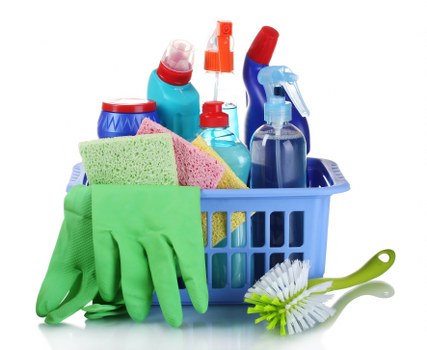
Basic mattress cleaning supplies are usually simple and affordable. A vacuum with upholstery attachments is one of the most useful tools because it can remove dust, debris, and loose particles from the fabric. Mild detergent, baking soda, clean cloths, a spray bottle, and a soft brush are also helpful. In some cases, an enzyme cleaner may be useful for organic stains.
Always check the manufacturer’s care instructions first. Some mattresses, especially memory foam and specialty designs, may require gentler cleaning methods. Using too much liquid or harsh chemicals can damage the materials. With the right supplies and a careful hand, mattress cleaning becomes much easier and safer.
Useful mattress cleaning tools
- Vacuum cleaner with upholstery attachment
- Clean microfiber cloths
- Spray bottle
- Baking soda
- Mild liquid detergent
- Soft-bristled brush
- Enzyme-based cleaner for organic stains
- Fan or open window for drying
Step-by-Step Mattress Cleaning Process
A structured mattress cleaning process helps you clean effectively without over-wetting the mattress. Start by removing all bedding, including sheets, blankets, pillows, and mattress protectors. Wash these items separately while you work on the mattress. This ensures the bed is fully exposed and gives you access to every area of the surface.
Next, vacuum the mattress thoroughly. Focus on seams, corners, and tufted areas where dust and debris tend to gather. Mattress cleaning is more effective when loose dirt is removed first, because it prevents grime from spreading while you treat stains or odors. Take your time with this step, especially if the bed has not been cleaned in a while.
After vacuuming, inspect the mattress for stains or spots. Treat each area based on its type. Light stains may respond well to a mixture of mild detergent and water applied with a cloth, while tougher stains may require a targeted cleaner. Use minimal moisture and blot rather than scrub whenever possible. After spot treatment, allow the mattress to air dry completely before replacing the bedding.
Basic mattress cleaning steps
- Remove all bedding and laundry items
- Vacuum the entire mattress surface
- Identify stains and problem areas
- Spot clean with a suitable solution
- Blot excess moisture with a dry cloth
- Apply baking soda for odor control if needed
- Let the mattress dry fully
- Replace clean bedding only after drying
Removing Stains During Mattress Cleaning

Stains are one of the biggest reasons people look into mattress cleaning. Different stains require different methods, so identifying the source can help you clean more successfully. A liquid spill, sweat stain, blood spot, or food mark should each be handled with care. The key is to treat the stain quickly and avoid soaking the mattress.
For general stains, a gentle solution of warm water and mild detergent often works well. Apply it lightly to a cloth rather than directly onto the mattress. Blot the stain in small motions until it begins to lift. If the stain is more stubborn, a stain-specific cleaner may be needed, but always test a small hidden area first.
Organic stains often benefit from enzyme cleaners because these products break down proteins and other materials that standard cleaners may leave behind. This is especially helpful for sweat, bodily fluids, and pet-related accidents. Patience is important during mattress cleaning because aggressive scrubbing can spread the stain or damage the fibers.
Tips for stain removal
- Act as quickly as possible
- Blot, do not rub
- Use only a small amount of liquid
- Allow time for the cleaner to work
- Repeat gently if needed
- Dry the area thoroughly afterward
How to Eliminate Odors from a Mattress
Odor removal is another major part of mattress cleaning. A mattress may smell musty, sweaty, stale, or damp if moisture and debris have built up over time. Even when the mattress is not visibly dirty, odors can linger in the materials and make the bedroom less pleasant. The good news is that many odors can be reduced with simple cleaning methods.
Baking soda is one of the most popular tools for mattress cleaning because it helps absorb odors naturally. After vacuuming and spot cleaning, sprinkle a light layer over the mattress and let it sit for several hours. Then vacuum it up thoroughly. This method can help neutralize smells and leave the fabric feeling fresher.
Airflow is also extremely important. Open windows, run a fan, or place the mattress in a well-ventilated area if possible. Dryness prevents odors from returning. If the mattress remains damp after cleaning, smells may come back quickly. This is why proper drying is a non-negotiable part of mattress cleaning.
Mattress Cleaning for Different Mattress Types

Not all mattresses are built the same, which means mattress cleaning should be adapted to the type of bed you own. Traditional innerspring mattresses, memory foam beds, latex mattresses, and hybrid designs can all react differently to moisture and cleaning products. Understanding your mattress type helps you avoid damage and clean more effectively.
Memory foam mattresses, for example, should never be saturated with liquid because the foam can hold moisture and take a long time to dry. Instead, mattress cleaning for memory foam should focus on vacuuming, light spot treatment, and careful drying. Innerspring mattresses may be a little more forgiving, but they still should not be drenched.
Latex mattresses are also sensitive to heavy moisture and strong cleaners, so gentle methods are usually best. Hybrid mattresses, which combine foam and spring layers, may need a balanced approach that protects both materials. When in doubt, less water and more patience is the safest rule.
Mattress cleaning by type
- Memory foam: Use light moisture and quick drying
- Innerspring: Vacuum thoroughly and spot clean carefully
- Latex: Avoid harsh chemicals and excess water
- Hybrid: Clean gently to protect mixed materials
How Mattress Cleaning Helps Allergies and Sleep Quality
One of the biggest benefits of mattress cleaning is improved sleep quality. A cleaner mattress can feel more comfortable and less irritating, especially for people who struggle with allergies or sensitive skin. Dust, pet dander, and mites can trigger discomfort that makes sleep restless or interrupted. By reducing these particles, you may experience a better night’s rest.
Mattress cleaning also supports a cleaner bedroom environment overall. When the bed is fresh, bedding tends to stay fresher as well. This can create a more relaxing atmosphere and help your sleeping area feel healthier and more organized. Since sleep affects energy, focus, and mood, the benefits can extend beyond the bedroom.
Better sleep often begins with better cleanliness. If your mattress has not been cleaned in a long time, improving its condition could make a noticeable difference. Many people are surprised by how much fresher and more comfortable their bed feels after a proper cleaning routine.
Mattress Protectors and Prevention Tips
Prevention is a huge part of keeping mattress cleaning manageable. A quality mattress protector can reduce the need for deep cleaning by shielding the mattress from spills, sweat, dust, and allergens. This is one of the easiest ways to preserve freshness and extend the life of the bed. Protectors are especially useful in homes with children, pets, or people prone to allergies.
Regular sheet washing is another simple habit that supports mattress cleaning efforts. Clean sheets help stop dirt and oils from reaching the mattress surface. It is also wise to rotate the mattress periodically if the manufacturer allows it, because this can reduce uneven wear and help the bed maintain a more consistent feel.
Small habits make a big difference. Brushing off crumbs, avoiding food in bed when possible, and letting the mattress breathe occasionally can all support a cleaner sleep environment. The less buildup your mattress faces, the easier every future cleaning session will be.
Prevention habits that help
- Use a waterproof or protective mattress cover
- Wash bedding regularly
- Vacuum the mattress on a schedule
- Address spills immediately
- Keep pets off the bed when possible
- Allow the mattress to air out occasionally
When Professional Mattress Cleaning Makes Sense
There are times when professional mattress cleaning is the best option. If the mattress has deep odors, persistent stains, heavy allergen buildup, or signs of contamination, professional equipment and expertise may be needed. This is especially helpful if home cleaning methods have not produced the results you want.
Professional mattress cleaning can also save time and provide deeper extraction. Specialized tools can remove more debris and moisture than standard household equipment, which may be useful for larger stains or more delicate materials. For households with urgent sanitation concerns, professional help can bring peace of mind.
Choosing professional support does not mean you failed at home care. It simply means the mattress needs a stronger treatment than routine maintenance can provide. For many people, combining regular at-home mattress cleaning with occasional professional service offers the best long-term results.
Final Thoughts on Mattress Cleaning
Mattress cleaning is one of the smartest ways to protect both your comfort and your health. A clean mattress supports better sleep, reduces allergens, helps control odors, and extends the life of your bed. While it may not always be visible, the condition of your mattress affects your daily well-being more than many people realize.
By building a simple mattress cleaning routine, using the right supplies, and responding quickly to stains or spills, you can maintain a fresher and more inviting sleep space. Whether you are handling basic upkeep or tackling a deeper cleaning task, the process becomes manageable when broken into clear steps. Consistency is the secret to keeping your bed in great shape.
If your mattress needs attention now, do not wait for the problem to get worse. Start with vacuuming, stain treatment, and odor control, then put a maintenance plan in place. Contact us today to learn more about professional mattress cleaning options, or book your service now if you want a cleaner, fresher sleep environment without the hassle.