House Cleaning: A Practical, Efficient, and Refreshing Approach to a Cleaner Home
House cleaning is more than a routine chore; it is one of the most effective ways to create a healthier, calmer, and more comfortable living environment. Whether you live in a small apartment, a busy family home, or a large property that seems to collect dust the moment you finish cleaning it, a smart house cleaning routine can make daily life easier. A well-kept home not only looks better, but it also feels better to live in. From reducing allergens and clutter to saving time and improving organization, house cleaning supports both physical comfort and mental clarity.
Many people associate house cleaning with endless scrubbing and tiring weekends, but it does not have to feel overwhelming. With the right plan, the right tools, and a realistic approach, house cleaning becomes manageable and even satisfying. You can focus on high-impact tasks, create cleaning habits that fit your schedule, and use methods that deliver visible results without unnecessary effort. The key is consistency, not perfection. A smart house cleaning routine is built around practicality, efficiency, and simple steps that keep your home in great shape.
In this article, we will explore how house cleaning improves your home environment, what tasks matter most, how to clean different areas effectively, and how to maintain freshness throughout the week. You will also find helpful tips for seasonal cleaning, safe product choices, and ways to keep your home cleaner for longer. If you want a home that feels brighter and more organized, house cleaning is the foundation.
Why House Cleaning Matters for Every Home
House cleaning affects far more than appearance. A clean home supports healthier indoor air, reduces buildup of dust and grime, and helps prevent pests from finding food or shelter. When surfaces are cleaned regularly, bacteria and allergens have fewer places to accumulate. This is especially important for families with children, older adults, pets, or anyone with allergies or respiratory sensitivities. Regular house cleaning can make your living space feel fresher and more comfortable every day.
Another major benefit of house cleaning is emotional well-being. Cluttered, dirty spaces can add stress and make it harder to relax or concentrate. On the other hand, clean and organized rooms often create a sense of calm and control. Even simple tasks like wiping countertops, vacuuming floors, and straightening common areas can have a noticeable impact on how your home feels. Clean spaces encourage better routines and make it easier to enjoy your surroundings.
House cleaning also protects your investment. Floors, countertops, appliances, furniture, and fixtures last longer when they are properly maintained. Dust, grease, soap residue, and moisture can all lead to wear over time if they are ignored. By keeping up with routine cleaning, homeowners and renters can preserve the condition of their spaces and avoid costly repairs or replacements. In this way, house cleaning is both a comfort choice and a smart maintenance habit.
Building a House Cleaning Routine That Works
The best house cleaning routine is one you can actually maintain. Instead of trying to clean everything at once, divide tasks into daily, weekly, and monthly categories. This makes the process feel less stressful and helps prevent messes from becoming overwhelming. A structured approach also allows you to focus energy where it matters most, such as kitchens, bathrooms, and high-traffic areas.
Daily cleaning tasks are usually quick and practical. These might include making beds, wiping kitchen counters, washing dishes, sweeping the floor, and putting items back where they belong. Small habits like these help keep your home from slipping into chaos. Over time, they reduce the amount of deep cleaning needed later. A few minutes each day can save hours of work at the end of the week.
Weekly tasks are where more thorough house cleaning happens. This is the time to vacuum carpets, mop hard floors, clean bathrooms, dust surfaces, and change bed linens. Depending on the size of your home and the number of people in it, you may want to break these tasks into separate days. For example, one day can be dedicated to floors while another focuses on bathrooms and dusting. House cleaning becomes much easier when the workload is spread out.
For monthly chores, think about deeper maintenance. This might include cleaning baseboards, washing windows, wiping cabinet fronts, and checking behind furniture or appliances. These less frequent tasks matter because they keep hidden buildup under control. Monthly house cleaning also gives you a chance to inspect areas that are often overlooked during regular routines. When you stay on top of these details, your home remains cleaner overall.
Essential House Cleaning Tasks by Room
Kitchen Cleaning
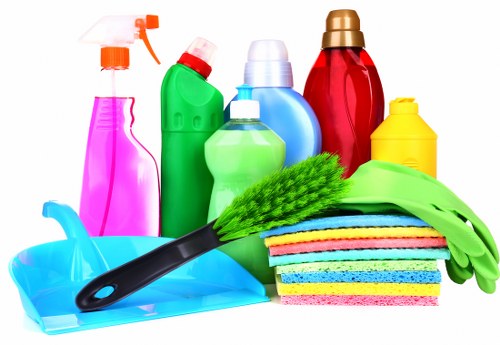
The kitchen is often the busiest room in the house, which means it can accumulate mess quickly. Food spills, grease, crumbs, and sink residue all need regular attention. Start by clearing countertops and wiping them with a suitable cleaner. Then clean the stove, backsplash, sink, and handles. Don’t forget the inside of the microwave, refrigerator shelves, and cabinet fronts. Good kitchen house cleaning keeps food prep areas sanitary and pleasant to use.
To keep the kitchen under control, focus on daily habits such as washing dishes promptly, taking out the trash, and sweeping the floor after meals. These small steps prevent buildup and make weekly cleaning faster. If you cook often, consider wiping surfaces after every use to stop grease and splashes from hardening. A well-maintained kitchen is one of the clearest signs of effective house cleaning.
Bathroom Cleaning
Bathrooms require regular attention because they are exposed to moisture, soap residue, toothpaste, and germs. Clean sinks, mirrors, toilets, tubs, showers, and floors on a consistent schedule. Use products that remove buildup without damaging surfaces. Pay attention to often-missed areas such as faucet bases, shower corners, and around the toilet. House cleaning in bathrooms should always prioritize hygiene and freshness.
Ventilation is also important in bathrooms. Keeping humidity under control helps prevent mold and mildew, which can spread quickly in damp conditions. Use exhaust fans, open windows when possible, and wipe down wet surfaces after showers. These habits support cleaner bathrooms and reduce the amount of heavy scrubbing needed later.
Living Room and Bedroom Cleaning
Living rooms and bedrooms may not get as dirty as kitchens or bathrooms, but they still need regular care. Dust collects on shelves, electronics, window sills, and furniture. Vacuum carpets and rugs, tidy up cushions, and organize clutter so the space feels open and restful. In bedrooms, change sheets regularly and keep floors clear of items that collect dust. This type of house cleaning improves both comfort and air quality.
Living areas should also be refreshed by cleaning frequently touched surfaces such as remotes, light switches, and door handles. Bedrooms benefit from decluttering nightstands, closets, and under-bed storage. These spaces often work best when they feel simple and uncluttered. Regular attention can help you enjoy a more peaceful home environment.
Helpful Tools and Supplies for House Cleaning
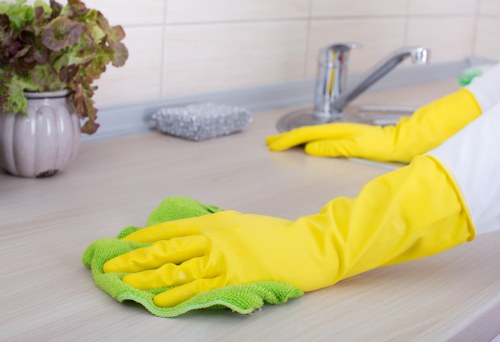
Using the right tools makes house cleaning easier, faster, and more effective. Basic supplies should include microfiber cloths, a quality vacuum, a mop, a broom, a bucket, scrub brushes, sponges, and storage caddies. Microfiber is especially useful because it traps dust well and works on many surfaces. A reliable vacuum can save time and improve results, especially in homes with carpets, pets, or heavy foot traffic.
Cleaning products should be chosen based on the surfaces in your home. All-purpose cleaners are convenient for general use, while specialized products may be needed for glass, stainless steel, wood, or tile. It is smart to read labels carefully and avoid mixing chemicals that may react dangerously. If you prefer a more natural approach, you may use simple solutions like vinegar and baking soda in appropriate places. Efficient house cleaning often comes down to using the right product for the right task.
Organization also matters. Keep supplies in one easy-to-reach location so you do not waste time looking for them. Some people use baskets or caddies to carry items from room to room. Others prefer to store duplicate sets of basic supplies on different floors of the house. This can make routine house cleaning more convenient and help you stay consistent. The easier it is to start, the more likely you are to keep going.
How to Make House Cleaning Faster and More Efficient

One of the most effective ways to improve house cleaning is to work from top to bottom. Dust and debris naturally fall, so it makes sense to clean higher surfaces first and floors last. For example, dust shelves before vacuuming, and clean countertops before mopping. This simple method prevents you from having to redo work and saves valuable time. It is one of the easiest professional habits to adopt at home.
Another efficiency strategy is to clean in sections. Rather than moving randomly from one task to another, complete one room or one type of task before switching. For instance, you can dust the entire house first, then vacuum all the floors, then clean bathrooms. This reduces back-and-forth movement and helps you stay focused. A sectional method makes house cleaning feel more organized and less tiring.
Setting a timer can also boost productivity. Many people clean more effectively when they know they only need to focus for 15 or 30 minutes. Short, timed sessions reduce procrastination and make it easier to start. Even if you do not finish everything at once, you will still make meaningful progress. Over time, these short bursts become a powerful house cleaning strategy.
Finally, reduce clutter where possible. The less stuff sitting out, the easier it is to wipe, dust, and vacuum. Storage baskets, drawer organizers, and labeled bins can help keep belongings in place. When every item has a home, cleaning becomes simpler and surfaces stay visible. This is an underrated part of house cleaning because organization and cleanliness support each other.
Deep Cleaning vs. Regular House Cleaning
Regular house cleaning covers the tasks you do frequently to maintain order and hygiene. Deep cleaning is more detailed and addresses areas that are often overlooked. Both are important, but they serve different purposes. Routine cleaning keeps your home presentable, while deep cleaning helps reset the space and remove hidden buildup. A balanced plan should include both types of care.
Examples of deep cleaning tasks include scrubbing grout, washing walls, cleaning behind appliances, detailing vents, and sanitizing hard-to-reach corners. These tasks do not need to be done every week, but they should be scheduled periodically. Depending on your home and lifestyle, deep house cleaning may happen seasonally or several times a year. It is especially helpful before major events, after renovations, or when preparing a home for guests.
Knowing the difference between regular and deep cleaning makes planning easier. You can focus on maintenance most of the time and save deeper work for specific intervals. This prevents burnout and helps you keep the house in good condition year-round. Consistency is more valuable than intensity, especially when it comes to house cleaning.
Seasonal House Cleaning Tips
Each season brings different cleaning priorities. In spring, many people focus on refreshing their homes after months of closed windows and indoor activity. This is a great time for dusting neglected areas, washing windows, rotating seasonal clothing, and cleaning storage spaces. Spring house cleaning often feels rewarding because it creates a lighter, brighter atmosphere.
Summer cleaning may involve controlling dust, pet hair, and outdoor dirt that gets tracked inside. Entryways and floors often need extra attention during warm months. Fall is a good time to prepare for indoor living by checking heating vents, cleaning blankets, and organizing closets. Winter house cleaning often centers on keeping surfaces sanitized and reducing clutter when more time is spent indoors. Adapting your routine to the season helps your home stay comfortable all year.
Seasonal cleaning is also a smart opportunity to inspect your home for maintenance issues. Look for leaks, mold, damaged seals, or signs of wear in high-use areas. Addressing these issues early can prevent bigger problems later. Good house cleaning supports a cleaner home, but it also helps you notice when something needs repair or replacement.
Safe and Smart Cleaning Practices
Safety should always be part of house cleaning. Read product labels carefully and keep cleaners out of reach of children and pets. Use gloves when necessary, especially with strong chemicals or long cleaning sessions. Good ventilation matters too, so open windows or use fans when working with products that produce fumes. A safe cleaning routine protects both your home and your health.
It is also wise to test products on a small area before applying them broadly. Some surfaces, especially natural stone, wood finishes, and delicate fixtures, can be damaged by harsh chemicals. Using gentle methods where possible helps preserve your belongings. The best house cleaning approach is one that cleans effectively without causing unnecessary damage.
If you prefer eco-friendlier options, you may choose products with fewer harsh ingredients or use reusable cleaning cloths instead of disposable wipes. Many households are looking for ways to reduce waste while still maintaining high standards of cleanliness. Sustainable house cleaning can be practical, affordable, and effective when done thoughtfully. Small choices add up over time.
House Cleaning Habits That Save Time Over the Long Term
One of the easiest ways to save time is to clean as you go. Wipe spills immediately, rinse dishes after use, and put items away when you are finished with them. These habits prevent buildup and reduce the need for major cleanup later. Many people find that this approach makes house cleaning feel less like a chore and more like part of normal daily living.
Another useful habit is to do a quick evening reset. Spend a few minutes tidying shared areas, loading the dishwasher, and preparing surfaces for the next day. Waking up to a cleaner home creates a positive tone and reduces morning stress. A small nightly routine can make house cleaning feel much more manageable overall.
It also helps to assign responsibilities if you live with family or roommates. Shared spaces stay cleaner when everyone contributes. Even simple assignments such as taking out trash, sweeping floors, or cleaning bathrooms can make a big difference. A shared system improves cooperation and prevents one person from carrying the entire burden. This is a practical solution for long-term house cleaning success.
When to Consider Professional House Cleaning
Sometimes a home needs more help than a regular routine can provide. Busy schedules, large families, moving, post-event cleanup, or major life changes can make house cleaning difficult to manage alone. In these situations, professional cleaning support can be a practical option. It can help you restore order quickly and maintain a cleaner home without sacrificing your time or energy.
Professional house cleaning can also be useful for deep cleaning, seasonal resets, and special situations like preparing for guests or handling post-renovation dust. Many people use professional services as a supplement to their own routine, not as a replacement. This can be a smart way to handle the heaviest tasks while staying on top of regular maintenance the rest of the time.
Whether you clean your own home or choose outside help, the goal is the same: a space that feels fresh, organized, and comfortable. The right house cleaning strategy depends on your lifestyle, your priorities, and your available time. What matters most is finding a system that works and sticking to it.
Final Thoughts on House Cleaning
House cleaning is one of the most valuable habits you can build for your home and your well-being. It improves comfort, reduces stress, supports hygiene, and helps protect your living space from wear and tear. When done consistently, it becomes less of a burden and more of a routine that supports better living. A clean home is easier to enjoy, easier to manage, and easier to maintain.
By focusing on daily habits, weekly tasks, seasonal priorities, and smart organization, you can make house cleaning far more effective. You do not need to do everything at once. Instead, start with a plan, use the right tools, and build a rhythm that fits your lifestyle. Small, steady efforts lead to meaningful results.
If you are ready to improve the comfort and cleanliness of your home, start with one room and build from there. Create a routine, stay consistent, and keep your spaces in good shape. Contact us today to explore professional support, or book your service now if you want a cleaner home without the stress of doing it all yourself. House cleaning can be simple, effective, and rewarding when you approach it the right way.